Early Life: From Buenos Aires to the Jesuit Order
Buenos Aires, Argentina — Born Jorge Mario Bergoglio on December 17, 1936, he was the eldest of five children to Italian immigrants. Raised in a working-class neighborhood, Bergoglio first trained as a chemical technician before joining the Society of Jesus in 1958. His deep intellect and spiritual commitment led him through years of study and service, culminating in his ordination in 1969. A bout of pneumonia in his early twenties resulted in the removal of part of one lung, a health issue that would remain a quiet undercurrent throughout his life.
Papacy: A Decade of Transformation
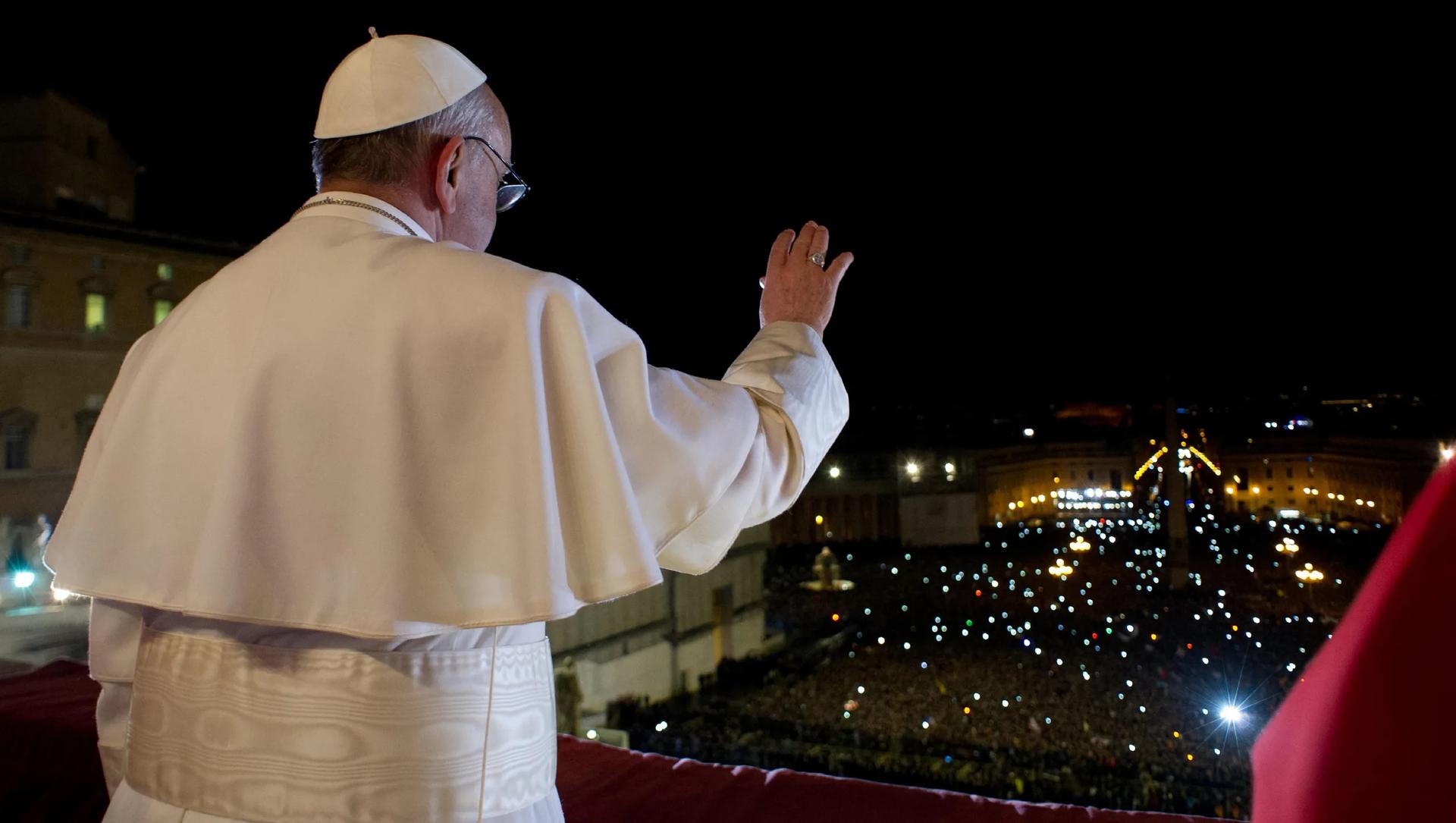
When elected in 2013, Pope Francis broke centuries of tradition by becoming the first Jesuit, the first from the Americas, and the first pope to take the name “Francis” — after Saint Francis of Assisi, a symbol of humility and care for the poor.
During his tenure, he redefined the papacy for a modern age. He rejected the papal palace in favor of a modest Vatican guesthouse, urged the Church to focus less on dogma and more on mercy, and tackled global crises from climate change to migration. His encyclical Laudato Si’ became a landmark spiritual and environmental document. He prioritized social justice, emphasized interfaith dialogue, and made the Church more inclusive, despite resistance from traditionalist factions.
Pope Francis also modernized Vatican finances, combated internal corruption, and brought attention to the ongoing sexual abuse crisis — efforts that earned him both praise and criticism.
Global Tributes: A Chorus of Condolences
Leaders from across the globe poured in tributes upon news of the Pope's passing:
- French President Emmanuel Macron: “He had always been on the side of the most vulnerable and most fragile.”
- Prime Minister Narendra Modi of India: “Pope Francis will always be remembered as a beacon of compassion, humility and spiritual courage.”
- U.S. Vice President J.D. Vance: “I’ll always remember him for the homily he gave in the very early days of COVID. It was really quite beautiful.”
- British Prime Minister Keir Starmer: “A Pope for the poor, the downtrodden and the forgotten.”
- King Charles III: “His Holiness will be remembered for his compassion, his concern for the unity of the Church, and for his tireless commitment to peace.”
Succession: Who Will Lead the Church Next?
With his passing, the College of Cardinals will gather in May to elect a successor in a secret conclave held in the Sistine Chapel. Likely contenders include:
- Cardinal Pietro Parolin (Italy) – Vatican Secretary of State and a seasoned diplomat.
- Cardinal Matteo Zuppi (Italy) – Known for his progressive stances and pastoral focus.
- Cardinal Robert Sarah (Guinea) – A conservative voice with global reach.
- Cardinal Luis Antonio Tagle (Philippines) – A popular figure with strong support in Asia.
The decision made in this conclave is expected to shape the direction of the Church for decades to come — whether it continues Francis’s reformist path or pivots toward more traditional leadership.
Final Farewell: A Pope of the People
Pope Francis will lie in state at St. Peter’s Basilica later this week. His funeral Mass, expected to be attended by dignitaries from around the world, will be held in St. Peter’s Square. He will be interred at the Basilica of Santa Maria Maggiore — a site he held close to his heart.
In life and now in death, Pope Francis is remembered as the “Pope of the Poor,” a man of principle and peace who refused grandeur and insisted on a Church that walks with its people.
“Who am I to judge?” — the five words that came to define his papacy — echo louder than ever, as millions mourn and reflect on a legacy that transcended boundaries and reshaped the modern Church.